Common misconceptions

Which nutritional score is the most reliable?
Nutri-Score, NOVA, Green-Score: none are perfect. What are their blind spots, and how can they be combined to evaluate a product?

Soy: friend or foe?
Phytoestrogens, GMOs, deforestation, supposed benefits: soy attracts a lot of misconceptions. Here is what to take away.

Is breakfast really compulsory?
The most important meal of the day, or just a habit? What the studies say, and what a supermarket breakfast really provides.
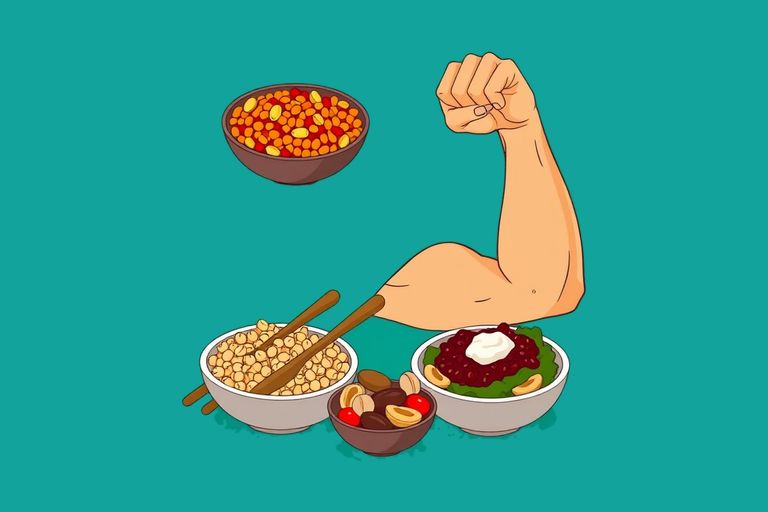
Are plant proteins enough?
Can you meet your protein needs without meat or animal products? Combinations, quantities and points to watch to find your way around.
Is gluten really bad?
Between coeliac disease, supposed sensitivity and a passing fashion, what do we really know about gluten, and for whom does a gluten-free diet make sense?
Marketing traps
"Natural", "light", "source of fibre", fruit photos on the packaging: claims that make you feel good without changing the product's composition.

Does a bad Nutri-Score mean a bad product?
The Nutri-Score is useful but partial. A bad score does not condemn a food, and a good score does not sanctify it. Here’s how to interpret it without making a mistake.