Nutrition
Daily needs (calculators), foods rich in each nutrient, foods to avoid.

Saturated fats: where do they hide and how to limit them?
Butter, cheeses, cured meats, breakfast pastries, ready meals: the main sources of saturated fat and how to do without them.

High-protein and high-fibre foods
Pulses, wholegrain cereals, eggs, fish: foods that are both filling and rich in protein or fibre.
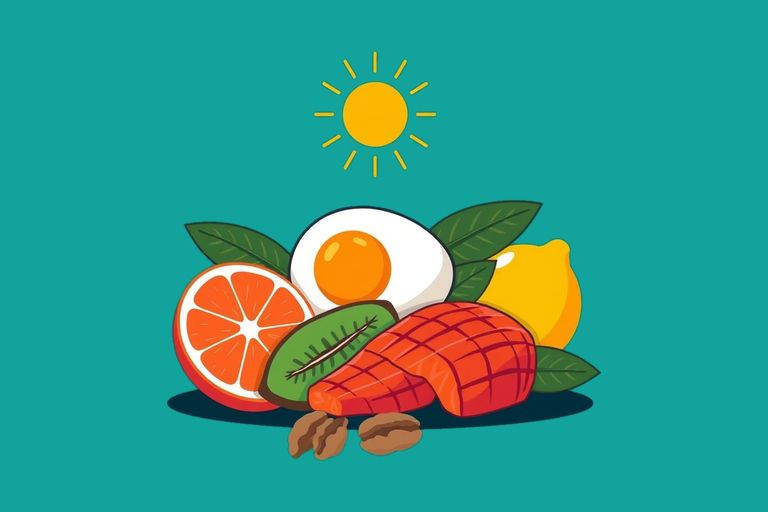
Foods rich in vitamins C and D and omega-3
Fresh fruits and vegetables, fatty fish, eggs: where to find vitamins C, D and omega-3, and what to do when diet is not enough.
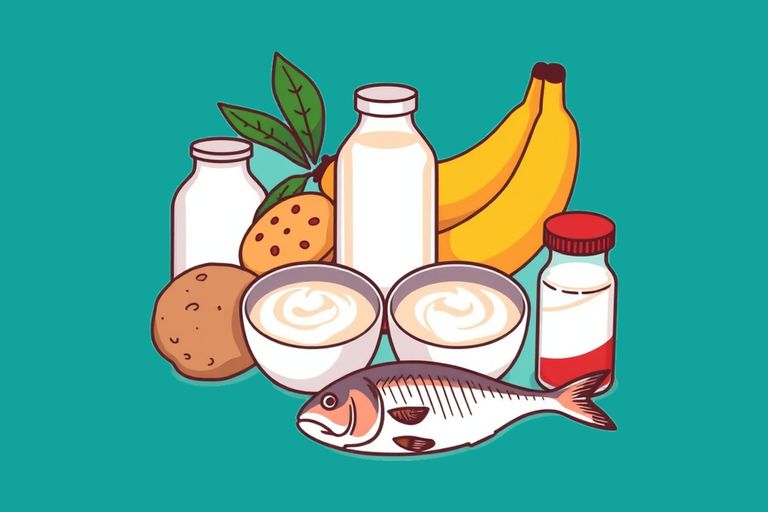
Foods rich in calcium, potassium and iodine
Dairy and non-dairy products, fruits, vegetables and seafood: sources of calcium, potassium and iodine.

Sugar, salt, fats, carbohydrates and fibre: daily guidelines
Official recommendations for key nutrients, translated into practical guidelines that can be read on a label.

How many calories per day?
Energy requirements by age, sex and activity level: how to estimate your daily calorie intake and distribute it throughout the day.
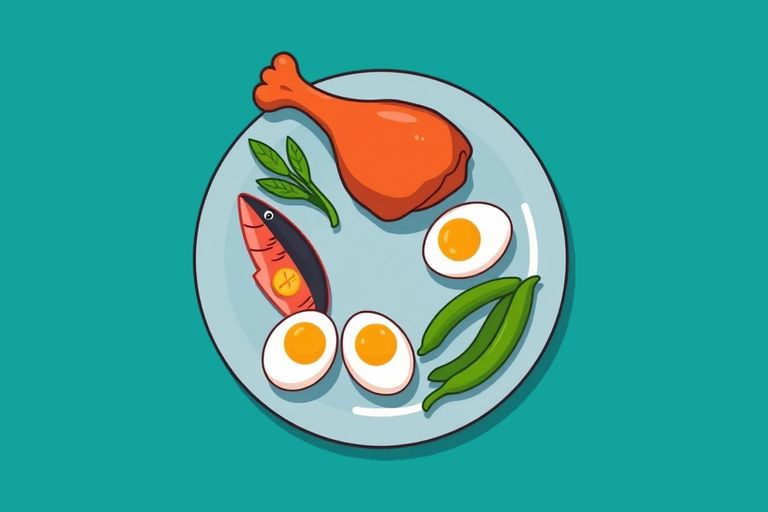
How many grams of protein per day?
How much protein should you aim for based on your weight, age and activity level, and how to achieve this with a normal diet.